Encouraging Literacy Through Everyday Interactions: A Guide for Parents of Children 0-5 Years
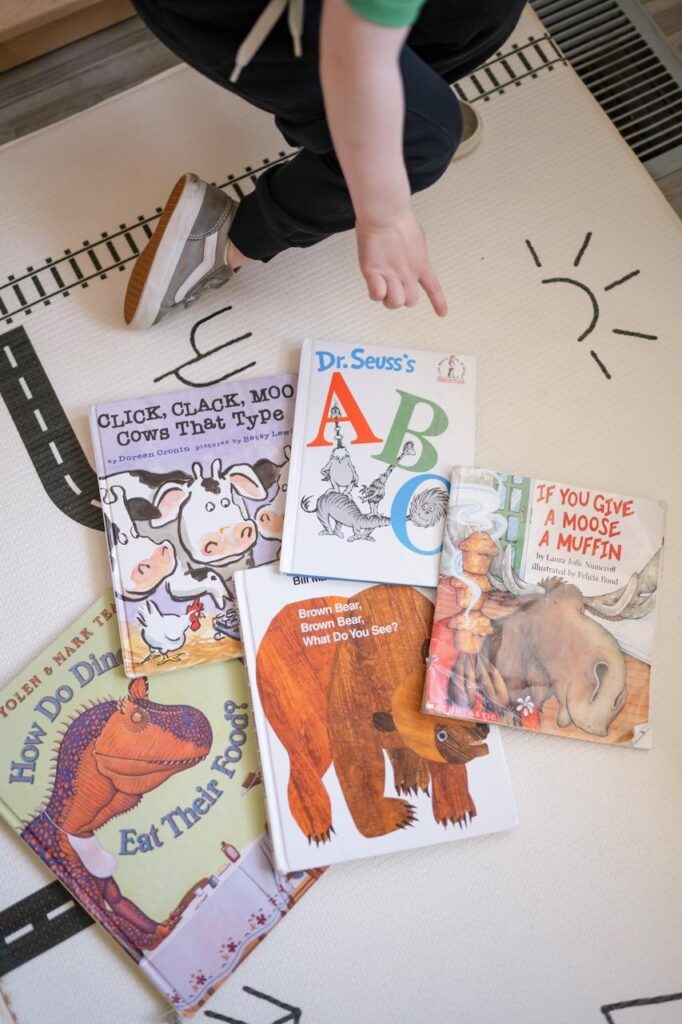
Fostering a love for reading and literacy in children begins long before they learn to read. Everyday interactions offer countless opportunities to introduce your child to the joys of language, storytelling, and learning. By incorporating simple, engaging activities into your daily routines, you can help lay the foundation for strong literacy skills.
Here’s how to encourage literacy through everyday interactions with your child from birth to age five.
1. Start Early with Talking and Singing
Even before your baby can understand words, they’re listening and absorbing language.
- Narrate Your Day: Talk to your baby as you go about your routine. For example, describe what you’re doing (“Now we’re putting on your socks”) or point out objects around you (“Look at the blue sky!”).
- Sing Songs and Rhymes: Lullabies, nursery rhymes, and simple songs like “Twinkle, Twinkle, Little Star” introduce rhythm and rhyme, which are important for language development.
- Use Expressive Language: Speak with enthusiasm and vary your tone to keep your baby engaged and focused on your words.
2. Make Books a Daily Habit
Reading books is one of the most effective ways to build early literacy skills.
- Start with Picture Books: Choose colorful books with simple illustrations and repetitive text for younger children.
- Create a Reading Routine: Incorporate storytime into your daily schedule, whether it’s before bedtime, after lunch, or during quiet moments.
- Encourage Interaction: Let your child turn the pages, point to pictures, and repeat words or sounds. This engagement builds their vocabulary and comprehension.
- Model a Love for Reading: Let your child see you enjoying books. Your enthusiasm will inspire them to view reading as a fun activity.
3. Talk, Listen, and Ask Questions
Conversations with your child are a powerful tool for developing language and critical thinking skills.
- Ask Open-Ended Questions: Instead of yes/no questions, ask questions that require more thought, such as, “What do you think will happen next?” or “Why do you think the character is sad?”
- Encourage Storytelling: Invite your child to tell you about their day, make up stories, or describe what they see.
- Expand on Their Words: If your child says, “Dog,” you can respond with, “Yes, that’s a big, brown dog running fast!” This helps build vocabulary and understanding.
4. Incorporate Literacy into Everyday Activities
Daily life is filled with opportunities to introduce language and literacy.
- During Meals: Talk about the foods you’re eating, their colors, and their shapes. Encourage your child to describe their favorite foods.
- On Walks or Outings: Point out street signs, labels, and billboards. Play “I Spy” to practice identifying letters or objects.
- In the Kitchen: Read recipes or instructions together. Let your child help measure and mix while describing what they’re doing.
- At Bath Time: Use foam letters or bath crayons to spell simple words or play rhyming games.
5. Play with Language
Playtime is perfect for fostering literacy in a relaxed, enjoyable way.
- Word Games: Play rhyming games, such as “What rhymes with cat?” or make up silly songs together.
- Alphabet Fun: Use magnetic letters, flashcards, or letter blocks to introduce the alphabet. Encourage your child to spell their name.
- Act Out Stories: Bring books to life by acting out the characters or creating your own endings.
- Label Everyday Items: Place labels on objects around the house (e.g., “chair,” “table”). This visual association helps with word recognition.
6. Visit Libraries and Storytime Events
Libraries are a treasure trove of resources for parents and young children.
- Attend Storytime Events: Many libraries offer interactive story sessions that include songs, crafts, and activities.
- Borrow a Variety of Books: Explore different genres, topics, and languages to expose your child to a wide range of vocabulary and ideas.
- Engage with Librarians: They can recommend age-appropriate books and activities tailored to your child’s interests.
7. Encourage Writing Early
Writing is an essential component of literacy that can be introduced in fun, age-appropriate ways.
- Provide Writing Tools: Give your child crayons, markers, and paper to scribble, draw, and practice letters.
- Practice Name Writing: Encourage your child to trace or write their name, starting with just the first letter.
- Create a Family Journal: Let your child contribute drawings or words to a family journal to document your days together.
8. Be Patient and Celebrate Progress
Every child develops at their own pace, so focus on creating a supportive and pressure-free environment.
- Praise Efforts: Celebrate attempts at reading, writing, or storytelling, even if they’re imperfect.
- Focus on Fun: Keep literacy activities lighthearted and enjoyable. The goal is to foster a lifelong love of reading and learning.
- Adapt to Your Child’s Interests: If your child loves dinosaurs, for example, choose books and activities that align with that theme.
Encouraging literacy in young children doesn’t require fancy tools or elaborate plans. By weaving language, books, and storytelling into your everyday interactions, you can nurture a love for reading and set your child on the path to lifelong learning. Remember, the most important thing is to make it fun and meaningful for your child. Happy reading!

Ready to Become a Haven Member?
Whether you’re looking for full-time care, part-time support, or a routine that grows with your family, Haven membership is designed to meet you where you are.