The Importance of Play-Based Education for Young Children
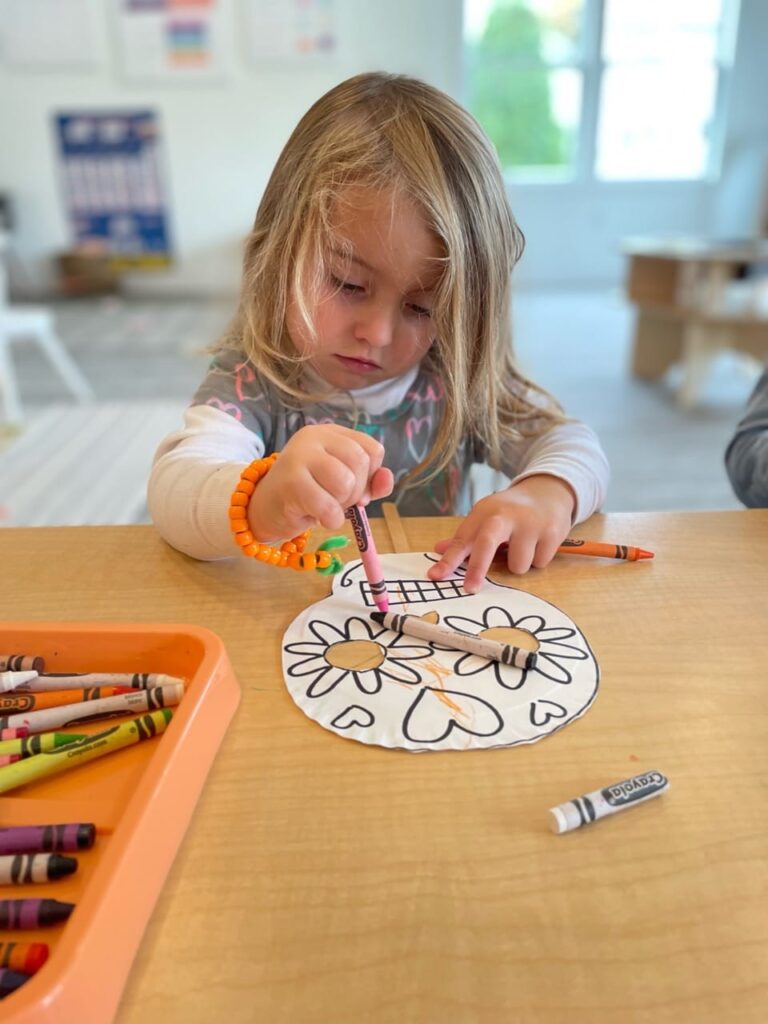
As parents, we all want the best for our children. During the early years, from birth to age five, the foundation for lifelong learning, creativity, and social development is being built. One of the most effective ways to support this crucial phase is through play-based education—an approach that prioritizes hands-on, experiential learning.
Play isn’t just a fun activity; it’s a vital part of a child’s development. Research shows that play helps children develop cognitive, social, and emotional skills that set the stage for future success. Whether stacking blocks, pretending to be a chef, or exploring a sandbox, children are engaging in activities that foster creativity, problem-solving, and collaboration.
How Young Children Learn Best
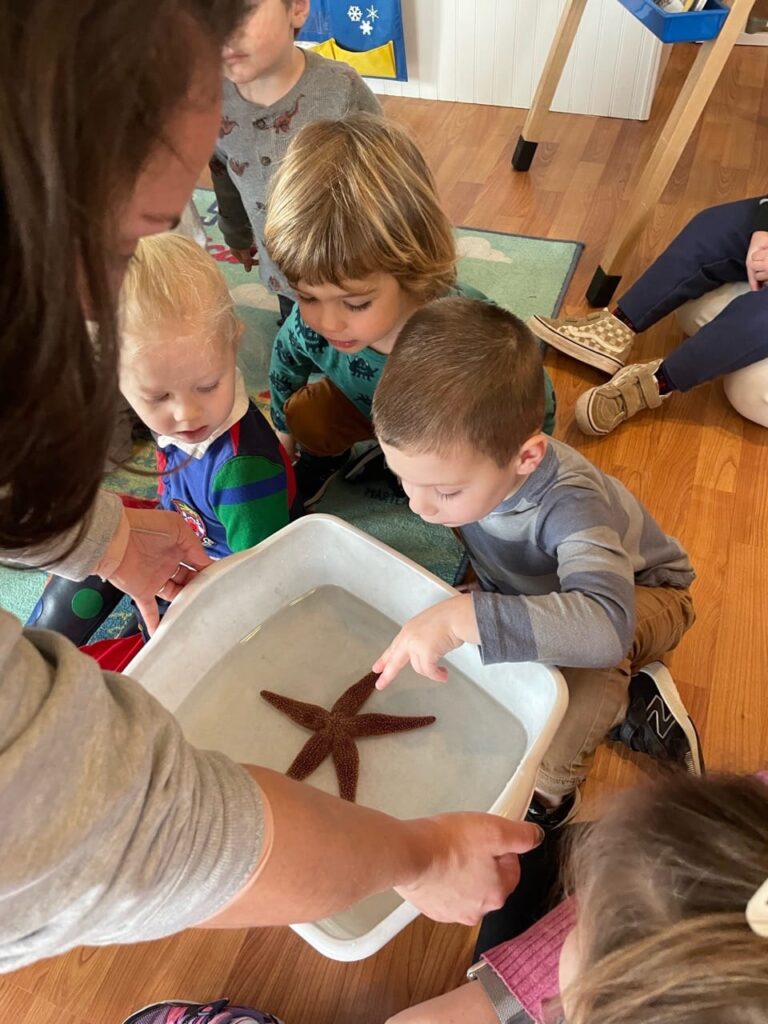
Young children learn best through active exploration and meaningful experiences. Play allows them to take the lead in their learning, experiment with new ideas, and make sense of the world around them. By engaging in activities that spark their natural curiosity, children develop essential skills and a love of learning that lasts a lifetime.
Key Benefits of Play-Based Education
- Fosters Creativity and Imagination
Through play, children explore the world around them and experiment with ideas. Activities like role-playing, building, or drawing encourage them to think outside the box and develop their creativity. - Supports Social and Emotional Development
Interacting with peers during play helps children learn important social skills, such as sharing, cooperation, and conflict resolution. It also allows them to express emotions and develop empathy. - Builds Cognitive and Language Skills
Play-based activities often incorporate problem-solving, counting, and storytelling, helping children strengthen their cognitive abilities and language development. For example, sorting toys by color or size introduces basic math concepts in an engaging way. - Encourages Physical Development
Active play, such as climbing, running, or playing with toys, helps children develop fine and gross motor skills, laying the foundation for future physical health.
How Play Relates to Learning

Play-based education supports learning by creating an engaging, hands-on environment that aligns with the natural ways young children explore and process information:
- Cognitive Development: Activities like stacking blocks or solving puzzles build problem-solving and critical thinking skills.
- Language Acquisition: Storytelling and role-playing enhance vocabulary and verbal expression.
- Social Skills: Collaborative play teaches sharing, empathy, and conflict resolution.
- Physical Learning: Active play develops motor skills essential for tasks like writing and sports.
- Engagement and Retention: Play transforms abstract concepts into tangible experiences, helping children stay engaged and retain knowledge more effectively.
How to Incorporate Play-Based Learning at Home
As a parent, you can easily create opportunities for play-based learning in your daily routines. Here are a few ideas:
- Create a Pretend Play Area: Set up a space with costumes, props, or household items for imaginative play.
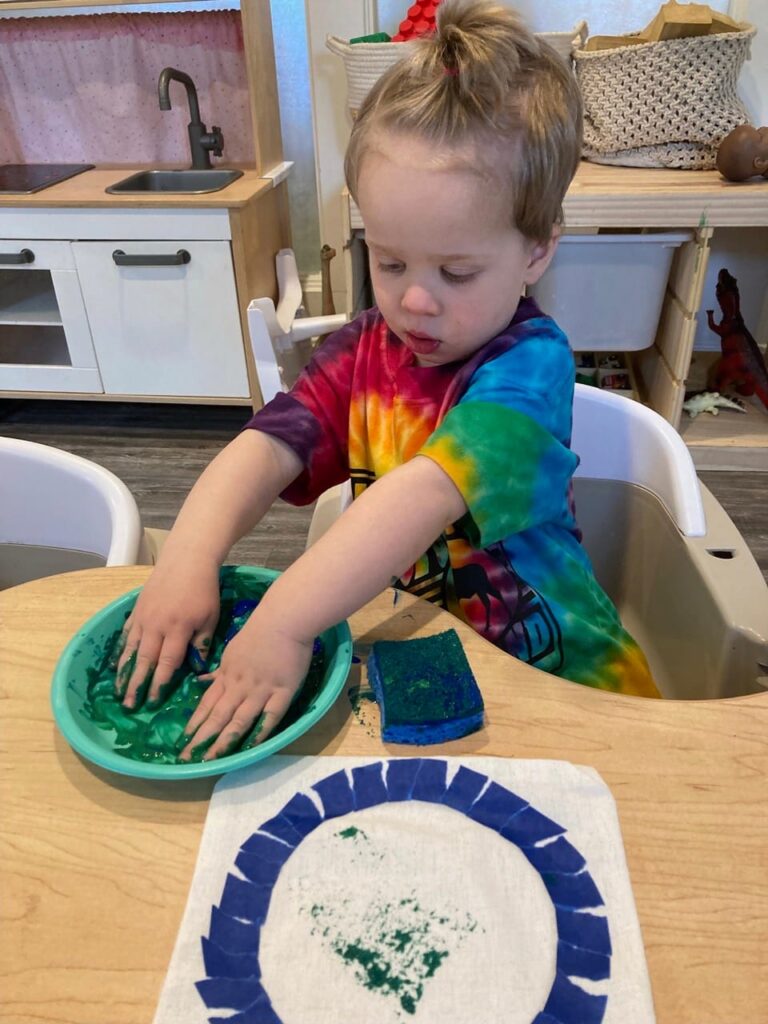
- Get Messy: Encourage sensory play with activities like finger painting, water play, or exploring textures with sand or rice.
- Explore Nature: Spend time outdoors, collecting leaves, observing insects, or building with natural materials like sticks and stones.
- Read and Tell Stories: Share books or make up stories together to spark your child’s imagination and improve their language skills.
The Role of Early Childhood Education Programs
Play-based education is a cornerstone of many high-quality early childhood programs. These programs provide structured opportunities for play while supporting children’s developmental milestones. Teachers guide activities to ensure that play aligns with educational goals, creating a balance between fun and learning.
A Foundation for Lifelong Success
Play-based education is not just about keeping children entertained; it’s about equipping them with the tools they need to navigate the world. By fostering curiosity, resilience, and a love of learning, play prepares children for the challenges and opportunities of life.
As parents, embracing play as a vital part of education helps create a nurturing environment where our children can thrive. Whether at home or Haven, the power of play lays the groundwork for a brighter future.
Ready to Become a Haven Member?
Whether you’re looking for full-time care, part-time support, or a routine that grows with your family, Haven membership is designed to meet you where you are.