How to Talk to Young Children About Big Feelings
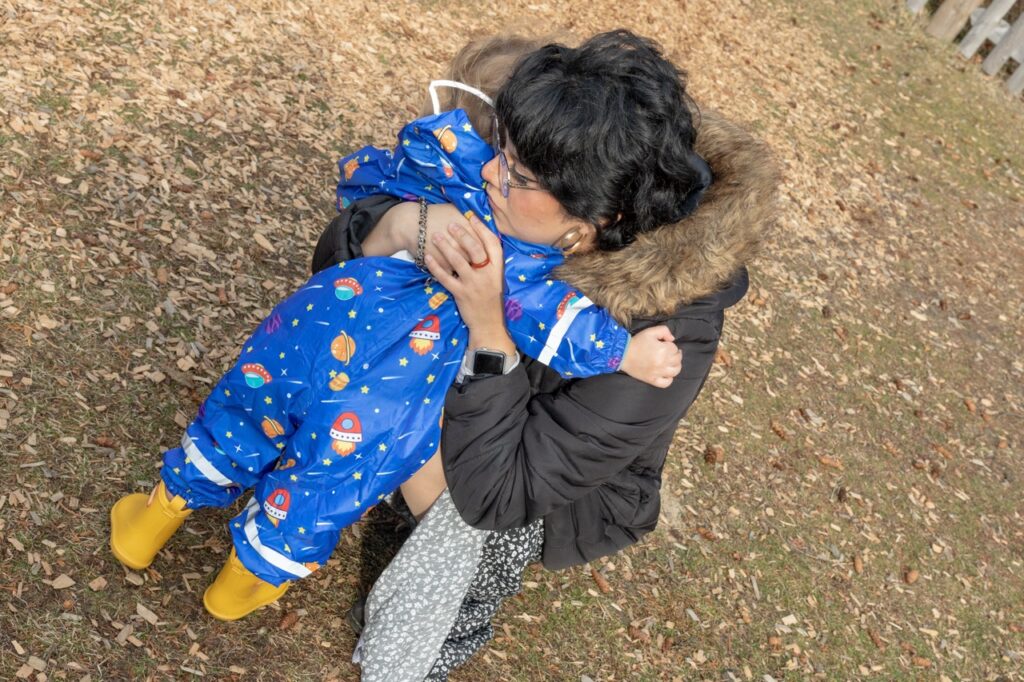
Helping Children Name What They Feel
Emotions can feel huge in small bodies. A moment of frustration, fear, or sadness can feel overwhelming for a young child who is still learning what those feelings mean. As adults, we sometimes want to fix the problem right away, but the most powerful thing we can do is help children understand and name what they are feeling.
At The Haven Collection, we believe that learning to manage emotions is just as important as learning to read or count. When children develop emotional awareness, they gain the foundation for healthy relationships, resilience, and confidence.
Why Talking About Feelings Matters
Young children experience the same wide range of emotions as adults, but they do not yet have the language or experience to express them clearly. Without support, big feelings often come out as tantrums, tears, or silence.
By talking about feelings regularly and calmly, parents and caregivers give children the tools to understand what is happening inside them. This helps children learn that emotions are normal, temporary, and manageable.
When children can name what they feel, they are better able to:
- Express needs instead of acting out.
- Build empathy and understand others.
- Develop self-regulation skills.
- Feel secure knowing adults will listen and support them.
How to Start the Conversation
The best time to talk about emotions is not always in the middle of a meltdown. Instead, build emotional vocabulary during calm moments throughout the day.
Here are a few simple ways to start:
- Label emotions in real time. “I can see you are feeling disappointed that the toy broke.”
- Use books and stories. Pause while reading to ask, “How do you think the character feels right now?”
- Model emotional honesty. Share your own feelings in a simple way, such as “I’m feeling tired, so I need a few quiet minutes.”
- Invite reflection after the fact. Once calm, talk about what happened: “You were frustrated when your tower fell. What helped you feel better?”
The goal is not to stop the emotion, but to help your child understand it and learn what to do with it.
What to Say During Big Emotions
When your child is in the middle of a big feeling, they need connection more than correction. Your calm presence helps them feel safe.
Try these strategies in the moment:
- Stay close and calm. Lower yourself to your child’s level and speak softly.
- Acknowledge the emotion. “It’s okay to feel angry. I am here with you.”
- Offer comfort through touch or space. Some children want a hug, while others need a few moments nearby.
- Keep language simple. Too many words can overwhelm a child who is upset. Short, kind phrases are best.
Children will learn from your tone and body language as much as from your words. Calm, gentle responses teach them that strong feelings can be handled safely.
Supporting Emotional Growth at Home
Emotional intelligence grows with time, consistency, and modeling. You can nurture this growth by making emotions part of everyday conversations.
Here are some helpful practices for home:
- Create a “feelings check-in” routine. Ask your child how they are feeling in the morning or at bedtime.
- Use visual supports. Feeling charts or story cards can help young children match words to expressions.
- Celebrate small successes. Recognize when your child uses words instead of actions to express emotion.
- Share stories from your day. Let your child see how you handle frustration, disappointment, or joy in your own life.
- Maintain predictable routines. Structure helps children feel secure, which makes managing emotions easier.
When emotions are treated as normal and safe, children learn that they are in control of their reactions rather than controlled by them.
How We Support Big Feelings at The Haven Collection
In our classrooms, we view every emotion as a learning opportunity. Teachers model calm responses, use language of empathy, and create spaces where children can regulate and reset.
We encourage children to identify their emotions, express them appropriately, and find strategies that help them feel better—such as deep breathing, drawing, or taking a short break.
By responding with patience and understanding, we help children build lifelong skills for managing emotions and relationships.
Emotions as a Path to Connection
When adults take time to listen, label, and validate children’s feelings, we give them the foundation for emotional intelligence and healthy relationships. The goal is not to prevent big feelings but to guide children through them with compassion and consistency.
At The Haven Collection, we believe that emotional growth is heart work. When children learn that all feelings are welcome and manageable, they grow into empathetic, confident, and connected individuals.

Ready to Become a Haven Member?
Whether you’re looking for full-time care, part-time support, or a routine that grows with your family, Haven membership is designed to meet you where you are.