The Stages of Early Writing and What They Mean
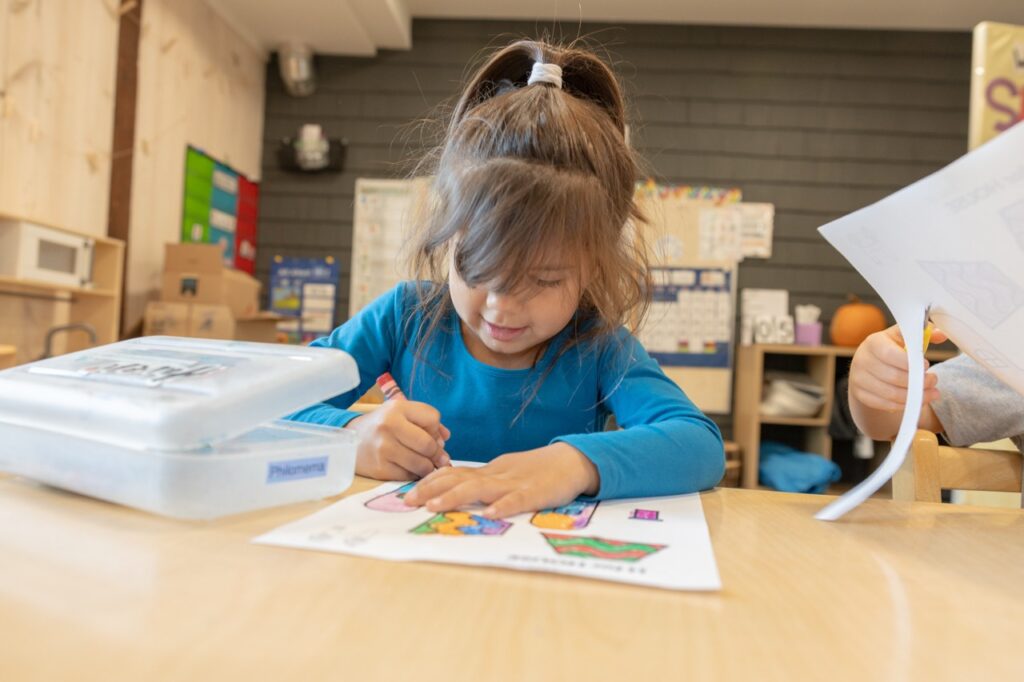
When Scribbles Tell a Story
If you have ever watched your child proudly hand you a page filled with lines, shapes, or scribbles, you have witnessed the beginning of writing. What may look like random marks to an adult is actually a powerful sign of development. In early childhood, writing begins long before children can spell words or form letters. It starts when they first realize that marks on a page can represent ideas, stories, and language.
At Haven, we celebrate these early stages of writing as meaningful expressions of thought and imagination. Each line and symbol is a step toward literacy and communication.
Why Early Writing Matters
Writing is about much more than letters and words. It connects fine motor skills, language development, and cognitive growth. Through early writing, children learn that their ideas have value and can be shared with others.
By allowing children to explore writing at their own pace, we help them develop confidence, creativity, and a lasting love for expression.
The Stages of Early Writing
Understanding the stages of early writing helps parents appreciate the learning behind each mark. While every child moves through these stages at their own rhythm, the progression typically follows a natural path.
1. Scribbling and Drawing (Around 1 ½-3 years old)
At first, writing looks like colorful swirls and lines. These early marks are the foundation of literacy. Children are experimenting with how crayons, markers, and pencils work. They are also developing the hand strength and coordination needed for writing later on.
What it means: Your child is discovering that their movements can make a mark and that drawing can represent something real.
2. Letter-Like Shapes and Symbols (Around 3-4 years old)
Soon, children begin to draw shapes that look like letters or repeated patterns. You might see circles, zigzags, or shapes in lines across the page. They are beginning to understand that written language has structure.
What it means: Your child is noticing that print carries meaning and is practicing control with writing tools.
3. Random Letters and Early Name Writing (Around 4-5 years old)
As children grow more familiar with letters, they often begin writing them at random. You may see the same few letters repeated, especially those from their name. This stage shows that children are connecting letters to sounds and starting to understand that writing represents spoken language.
What it means: Your child is beginning to see writing as a way to communicate, not just as a drawing activity.
4. Invented Spelling and Sound Exploration (Around 5-6 years old
Children start to use letters to represent sounds they hear in words. “Cat” might appear as “KT” or “CT.” These are wonderful signs of progress. Invented spelling shows that your child is listening to words, identifying sounds, and experimenting with phonics.
What it means: Your child is actively thinking about language and applying what they know to express ideas independently.
5. Conventional Writing (Around 6-7 years old)
With time, practice, and exposure to reading, children begin to form words and sentences that follow conventional spelling and structure. They write for a purpose—to tell stories, make lists, or share ideas.
What it means: Your child is becoming a confident communicator who understands that writing is a tool for connection and creativity.
How Parents Can Support Writing at Home
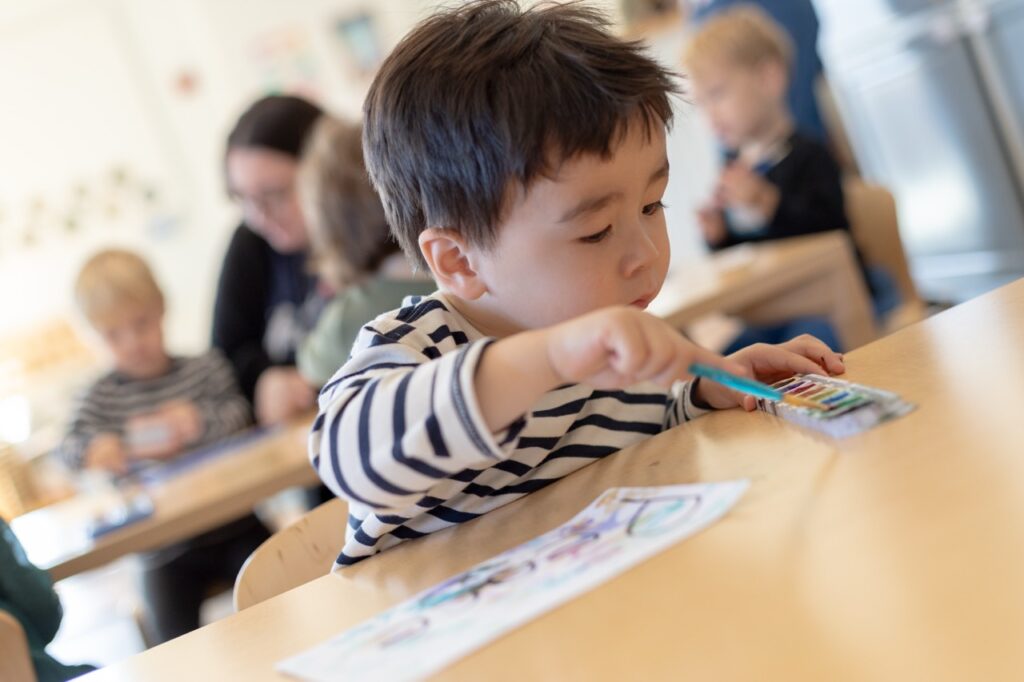
You can nurture your child’s love for writing by creating a space where it feels natural and fun.
Here are some simple ways to encourage writing at home:
- Provide open-ended materials. Keep paper, notebooks, and various writing tools within easy reach.
- Model writing in daily life. Let your child see you write notes, lists, or cards. Talk about what you are doing as you write.
- Celebrate all attempts. Whether it is a scribble or a story, show genuine interest. Ask, “Tell me about your picture,” or “What does this say?”
- Encourage storytelling. Invite your child to dictate a story that you can write down for them. Later, let them illustrate it.
- Connect reading and writing. Read together often and talk about how authors use words to share ideas.
The goal is not perfect handwriting but joyful expression.
How We Support Writing at The Haven Collection
In our classrooms, writing is woven into everyday experiences. Children find clipboards in the block area, journals during science exploration, and opportunities to sign their names or label their work. Teachers model writing, encourage storytelling, and document children’s words as they play and explore.
This natural approach helps children understand that writing has meaning and purpose long before they ever sit down to practice formal letters.
Every Mark Matters
Each stage of early writing represents a child’s growing voice. Scribbles turn into letters, and letters turn into words, but the most important part of the process is what happens inside—the pride, focus, and joy of discovery.
At Haven, we value writing as a form of expression, creativity, and connection. When parents and teachers celebrate every mark, children learn that their ideas matter and that their words have power.
Ready to Become a Haven Member?
Whether you’re looking for full-time care, part-time support, or a routine that grows with your family, Haven membership is designed to meet you where you are.