How to Foster Problem-Solving Skills in Young Children
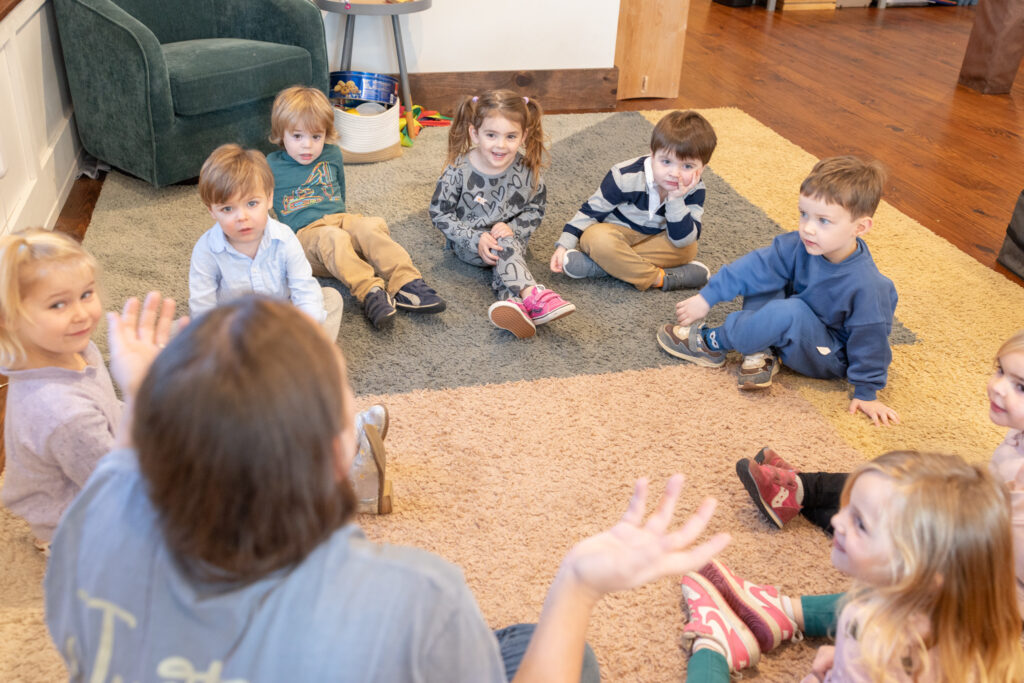
Letting Children Figure Things Out
When a child’s block tower falls or two friends both want the same toy, those moments can feel small to adults, but they are big opportunities for learning. Problem-solving is one of the most important life skills a child can develop. It teaches flexibility, creativity, and persistence. At Haven, we view problem-solving as the heart of early learning. It helps children become confident thinkers who know how to approach challenges calmly and independently.
Why Problem-Solving Matters
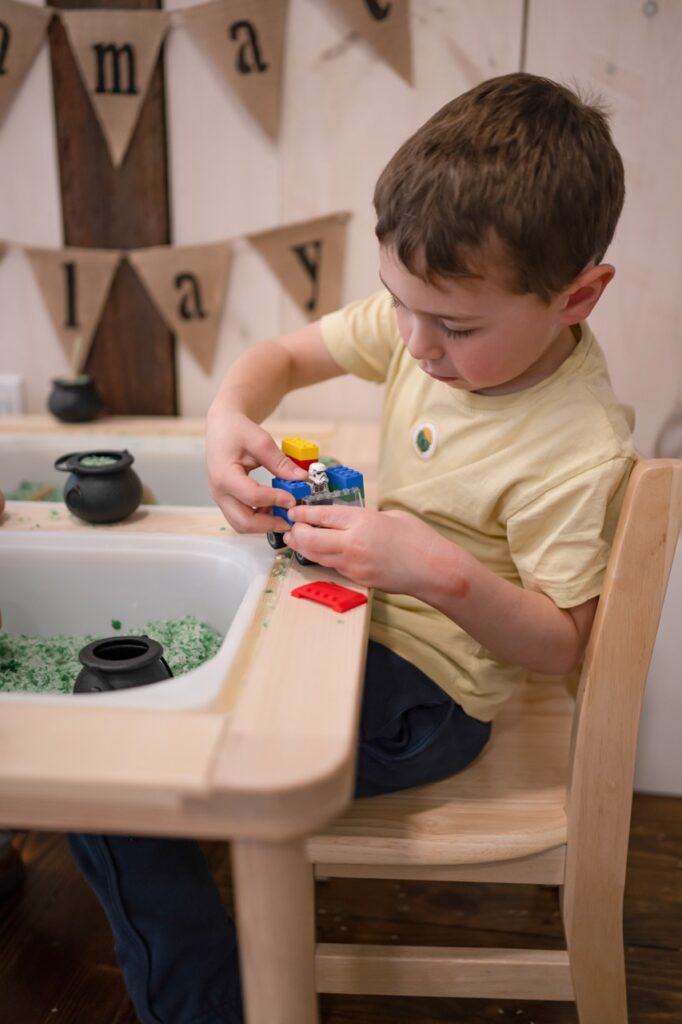
Problem-solving is not about always finding the right answer. It is about learning how to think, experiment, and try again. Through this process, children build resilience and learn that mistakes are not failures but part of discovery.
When children learn to solve problems, they also strengthen:
- Critical thinking, by asking questions and testing ideas.
- Emotional regulation, by managing frustration and finding solutions calmly.
- Social skills, by learning to negotiate and collaborate with others.
- Confidence, by realizing they can make decisions and influence outcomes.
These skills will support your child throughout school and life, shaping how they approach new experiences and challenges.
The Role of the Adult: Guiding Without Solving
As adults, our first instinct is often to step in and fix a problem for a child. While it may save time, it also takes away the learning opportunity. When we pause and let children work through challenges, we show them that we trust their ability to think and persist.
Here are a few guiding strategies:
- Pause before helping. Give your child a moment to try something on their own before offering assistance.
- Ask guiding questions. “What else could you try?” or “How can we make this work?” encourages thinking rather than giving answers.
- Model calm problem-solving. Let your child see how you handle obstacles by thinking aloud: “Hmm, this piece doesn’t fit here. I wonder if it goes the other way.”
- Encourage persistence. Remind your child that trying again is part of learning. Celebrate effort as much as success.
By staying calm and supportive, adults can create a sense of safety that gives children the courage to explore solutions.
The Classroom Environment: A Place for Exploration
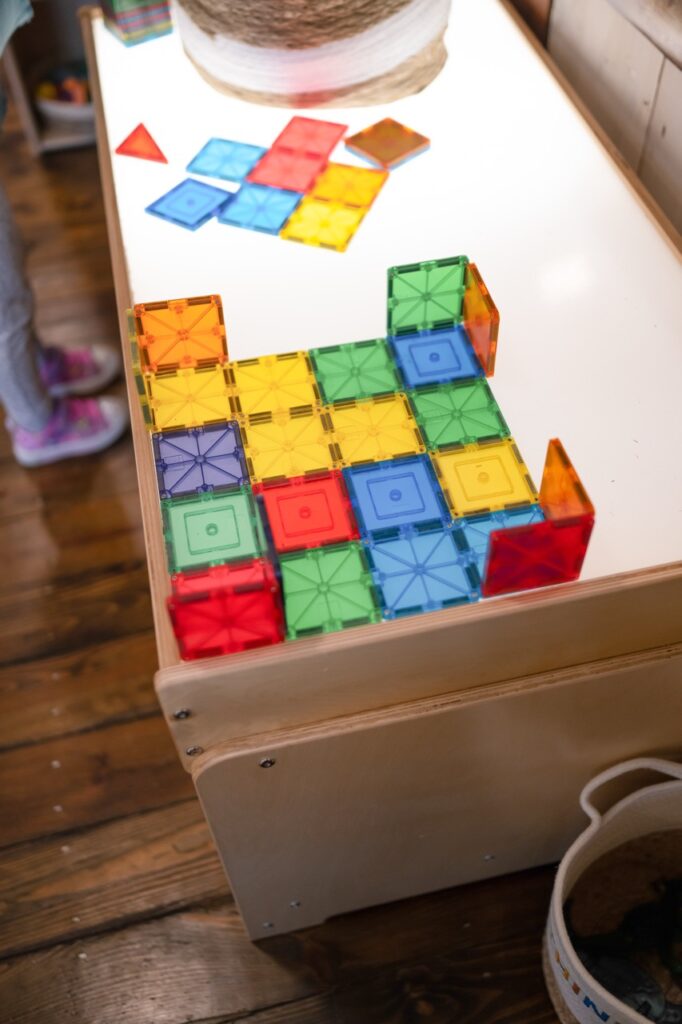
In our classrooms, problem-solving happens all day long. Whether a child is balancing blocks, pouring water, or figuring out how to share materials, they are constantly learning how to think through situations.
Teachers at Haven design experiences that encourage curiosity and experimentation. They might offer materials that can be used in many ways or pose gentle challenges that inspire collaboration and creativity.
When children have time, space, and freedom to explore, they naturally become problem-solvers.
How Parents Can Foster Problem-Solving at Home
Problem-solving begins with everyday experiences. You can encourage it at home in simple, natural ways that fit into daily routines.
Here are some ideas:
- Offer choices. Let your child make small decisions, such as what to wear or which book to read. This builds decision-making skills.
- Create challenges. Invite your child to build a bridge from blocks or figure out how to fit all their toys in a basket.
- Play cooperative games. Board games, puzzles, or scavenger hunts help children practice teamwork and strategy.
- Talk about mistakes. Share times when you made an error and what you learned from it. This helps children see mistakes as normal and helpful.
- Encourage open-ended play. Activities with no set outcome, like building, art, or pretend play, allow children to experiment freely and problem-solve naturally.
At home, your calm presence and encouragement show your child that challenges are chances to learn and grow.
Building a Problem-Solving Mindset
Problem-solving is as much about mindset as it is about skill. Children who believe they can figure things out become lifelong learners. You can nurture this mindset by using phrases like:
- “You worked hard to find a solution.”
- “That was a creative idea.”
- “I like how you tried something new.”
Praise effort, curiosity, and persistence rather than perfection. This helps children internalize the idea that thinking and trying are valuable, even when things do not go as planned.
Confident Thinkers, Resilient Learners
When children learn to solve problems, they learn how to navigate life. Every challenge—big or small—becomes a chance to think critically, communicate clearly, and trust their own judgment. At The Haven Collection, we see problem-solving not just as a skill but as a mindset. With patience, encouragement, and plenty of practice, children grow into confident learners who believe, “I can figure this out.”
Ready to Become a Haven Member?
Whether you’re looking for full-time care, part-time support, or a routine that grows with your family, Haven membership is designed to meet you where you are.