Balancing Discipline and Love: A Guide for Parents of Young Children
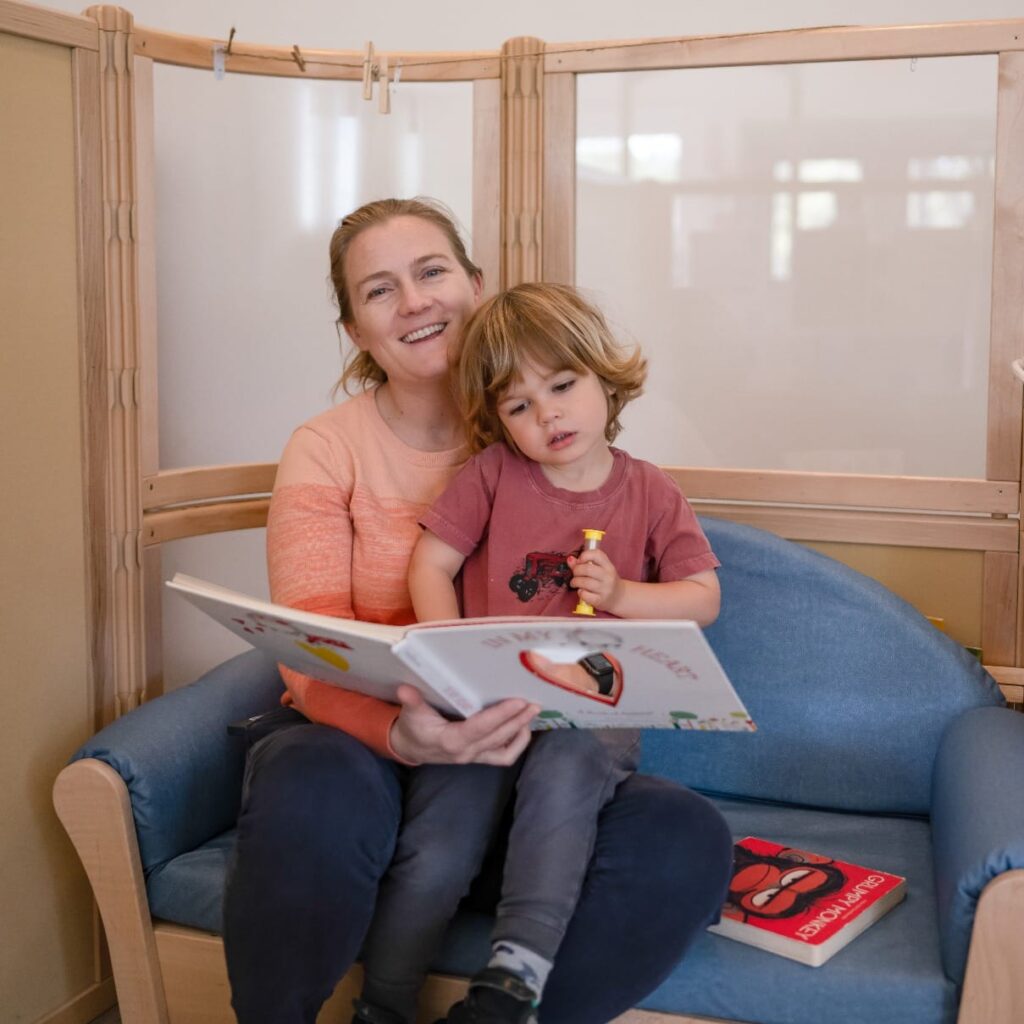
Parenting young children is a journey filled with joy, challenges, and countless decisions. One of the most significant struggles parents face is finding the right balance between discipline and love. How do you teach your child boundaries and responsibility while ensuring they feel unconditionally loved and supported?
The good news is that discipline and love aren’t opposites—they’re complementary. When done right, discipline can be a loving act that helps children grow into respectful, responsible, and compassionate individuals.
Here’s how to strike that balance in your parenting journey:
1. Understand What Discipline Really Means
Discipline isn’t about punishment; it’s about teaching. The goal is to guide your child’s behavior in a way that helps them learn self-control, empathy, and responsibility.
- Focus on Teaching, Not Punishing: When your child misbehaves, think of it as an opportunity to teach rather than to punish.
- Use Positive Discipline: Encourage good behavior by praising your child’s efforts and choices instead of only addressing the negatives.
2. Set Clear and Consistent Boundaries
Children thrive when they know what is expected of them. Consistency creates a sense of security and helps them understand the consequences of their actions.
- Be Clear About Rules: Use simple language to explain rules, such as “We use gentle hands” or “Toys stay in the playroom.”
- Follow Through: If you set a consequence, stick to it. For example, if screen time ends at 6 p.m., ensure that it does every day.
- Keep Age in Mind: Tailor your rules and consequences to your child’s developmental level. Young children benefit from immediate and simple cause-and-effect consequences.
3. Discipline with Empathy
It’s important to understand the feelings and needs behind your child’s behavior.
- Acknowledge Their Emotions: When your child is upset or misbehaving, validate their feelings. For example, say, “I see you’re angry because you can’t have more candy.”
- Redirect Behavior: Instead of simply saying “no,” offer an alternative. For example, “You can’t throw the ball in the house, but let’s go outside to play catch.”
- Model Calmness: Your child looks to you for cues. If you stay calm during challenging moments, they’ll learn to do the same.
4. Lead with Love and Connection
Children need to feel deeply loved and connected to their parents. When your relationship is strong, discipline becomes more effective.
- Spend Quality Time Together: Make time for one-on-one moments with your child, such as reading, playing, or just talking about their day.
- Offer Physical Affection: Hugs, cuddles, and gentle touches reassure your child that they are loved, even when you’re correcting their behavior.
- Use Affirming Words: Let your child know that your love isn’t conditional. Say things like, “I love you no matter what,” especially after a difficult moment.
5. Teach Problem-Solving Skills
Helping your child understand and navigate their emotions is a lifelong skill that starts early.
- Name Emotions: Teach your child to identify their feelings by labeling them (e.g., “You seem frustrated” or “You’re feeling happy”).
- Encourage Solutions: Ask questions like, “What can we do to fix this?” to help them learn problem-solving skills.
- Practice Together: Role-play situations to show your child how to handle challenges, like sharing or asking for help.
6. Be Mindful of Your Own Reactions
Your responses to your child’s behavior set the tone for how they will respond to others and themselves.
- Pause Before Reacting: Take a deep breath and gather your thoughts before addressing misbehavior.
- Avoid Harsh Words or Actions: Yelling or punitive measures can damage trust and escalate the situation. Instead, focus on calm, constructive communication.
- Apologize When Needed: If you lose your temper, model accountability by apologizing and explaining how you’ll do better next time.
7. Be Flexible and Adapt
Parenting isn’t one-size-fits-all. Each child is unique, and what works for one may not work for another.
- Know Your Child: Pay attention to their temperament and adjust your approach accordingly.
- Reflect on What Works: Periodically evaluate your discipline strategies and make changes if something isn’t effective.
- Seek Support: If you’re feeling overwhelmed, don’t hesitate to reach out to other parents, educators, or professionals for advice.
8. Celebrate the Wins
Parenting is hard work, and it’s important to acknowledge both your efforts and your child’s progress.
- Praise Positive Behavior: Highlight moments when your child makes good choices, like sharing or using kind words.
- Celebrate Growth: Recognize small milestones, such as learning to apologize or managing frustration.
- Practice Gratitude: Take time to appreciate the love and connection you’re building as a family.
Balancing discipline and love is an ongoing process that evolves as your child grows. By setting clear boundaries, leading with empathy, and fostering a strong connection, you can guide your child with both firmness and compassion. Remember, discipline is most effective when it’s rooted in love and a desire to help your child become their best self.
With patience, consistency, and a whole lot of love, you’re creating a foundation that will support your child for years to come.

Ready to Become a Haven Member?
Whether you’re looking for full-time care, part-time support, or a routine that grows with your family, Haven membership is designed to meet you where you are.