Simple Nutrition Strategies for Energy, Strength & Everyday Parenting Life
As Haven parents, movement looks different minute by minute. You’re typical day includes chasing your toddler around your home, then squeezing a Peloton workout in between meetings, completing a HIIT class with fellow parents after drop off, or simply keeping up with the chaos of a very busy day.
No matter what your routine looks like, your constantly moving body needs reliable fuel to support your energy, strength, and overall metabolic health.
The good news is that you don’t need a “perfect plan” — just a better understanding of how to fuel your body in a way that works for your life. That’s why we sat down with Secret Sauce Nutrition to learn key insights and practical ideas to help you fuel your movement.

First off, there three essential questions to understanding how to fuel your movement:
- Do your meals contain too much protein?
- Are you getting enough carbohydrates?
- How well hydrated are you?
Protein Matters, But It’s a Balance
Muscle fibers naturally strain during movement; cardio, strength-based, and everyday life activities all have an impact on the body. That’s where protein comes in, it serves a key role in helping repair and build new muscle fibers constantly. This is why protein is essential to optimizing our metabolism.
However, too much of a good thing can have its drawbacks. Excessive protein intake can actually store as fat and make our metabolism less efficient.
So how much is too much protein? That really depends on your individual needs for the entire day. Meeting with a dietitian can help provide clarity here with personalized guidance.
However, there are a couple rules of thumb:
- Spread protein intake throughout the entire day: include a protein-rich food in each eating opportunity, as a meal or snack.
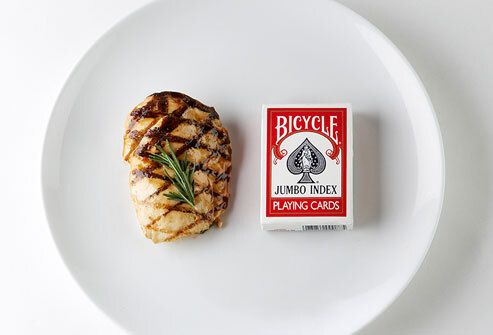
- Moderate protein to no more than 20-30 g protein per sitting: that’s equal to about the size of a deck of cards (3-4 oz) worth of cooked meat, poultry, or fish.
Why Carbohydrates Matter: Your Body’s Main Energy Source
If you’ve ever felt shaky, foggy, or exhausted during (or after) a workout, or even experienced that “mid-afternoon slump” in energy, suboptimal carbohydrate intake might be the culprit.
Carbohydrates are often the first thing people cut, but they’re critical for supporting energy and movement. While protein supports muscle mass recovery, carbs provide the body’s essential, daily energy needs and fueling your body during movement.However, when essential energy needs aren’t met due to inadequate carb intake, we have a problem. Protein can’t do its job. Thus, it gets inefficiently diverted away from metabolic muscle support to prioritize the body’s essential energy needs. The result? Less energy, unmet strength or fitness goals, and increased risk of injury.
So, how many carbs do we need without having too many? Similar to protein, that specific amount varies person-to-person. It’s likely more than you think. Meeting with a dietitian can help provide clarity here with personalized guidance.


As a general rule of thumb:
- Focus on balancing carbs instead of restricting them. – Always PAIR carbs with protein to support more stable energy and increased satisfaction.
- Keep in mind that there are a variety of carbohydrate sources. Sometimes you may enjoy carbs from fruitother times, you may prefer potatoes, grains, breads, pastas, rice, and more.
Hydration: The Overlooked Performance Booster
Hydration has a direct impact on both energy levels and physical performance. Every single cell in our muscles and organs relies on hydration to function optimally, yet it’s often one of the easiest things to overlook.

Unfortunately, thirst isn’t a great warning sign that we’re nearing dehydration. In fact, by the time we feel thirsty, we’re likely already dehydrated. Additionally, and here’s a surprising fact: our bodies often confuse hydration and hunger signals.
So how much fluid should we drink? Similar to protein and carbs, each person’s hydration needs are unique. Sweat rates during exercise can play a significant role. Meeting with a dietitian can help provide clarity here with personalized guidance.
As a general rule of thumb:
- Check the color of your urine. Ideally, it’s clear to pale yellow in color, indicating optimal hydration status.
- Hydration can come from fluids in food, not just beverages. Fruit, vegetables, soups, and smoothies are just some examples of ways to sneak in extra hydration with more flavor.
Final Thoughts
Fueling your body isn’t just about structured workouts, it’s about supporting your energy for everything that matters in your day-to-day life.
When we nourish ourselves more consistently, we’re better able to keep up with our kids, stay energized through busy days, and feel stronger and more resilient as individuals.
It’s about support, not perfection. Here’s to fueling healthy, happy parents — today and every day.
Interested in More Personalized Support?
Every parent’s routine, preferences, and nutrition needs are different — and sometimes general guidance only gets you so far.
If you’re looking for more individualized support, consider connecting with a Registered Dietitian through our partners at Secret Sauce Nutrition. Their team can help you build a plan that fits your lifestyle, schedule, and goals — whether that’s improving energy, fueling specific workouts, navigating family meals, or simply feeling more confident in your nutrition choices.
Bonus: Most families get FREE nutrition sessions at Secret Sauce Nutrition using their health insurance plan.

Ready to Become a Haven Member?
Whether you’re looking for full-time care, part-time support, or a routine that grows with your family, Haven membership is designed to meet you where you are.